January 5, 2026
Concrete driveways are a popular choice for homeowners, yet they're still surrounded by misconceptions that often influence decisions. Many of these myths originate from older construction methods, isolated negative experiences, or comparisons that overlook how concrete technology has improved. As installation practices and materials have advanced, concrete driveways now offer greater durability, flexibility, and long-term performance than ever before. These improvements have made concrete a reliable option for both residential and commercial properties. Despite this progress, outdated beliefs continue to shape opinions.
When homeowners separate fact from fiction, they're better equipped to choose a driveway that truly fits their needs. Knowing what modern concrete can and cannot do helps eliminate unnecessary concerns about cracking, cost, upkeep, and appearance. By partnering with knowledgeable concrete contractors, homeowners can rely on accurate information rather than outdated assumptions and feel confident in their investment.
Myth 1: Concrete Always Cracks
One of the most persistent myths about concrete driveways is that they will inevitably crack badly and quickly. While it is true that concrete can develop cracks, this does not mean that every driveway will suffer major structural issues. Cracking is often influenced by soil movement, temperature changes, and installation quality rather than the concrete itself. Environmental conditions play a significant role in how any driveway material performs over time. Understanding these factors helps place cracking concerns into the proper context.
Modern construction techniques are designed to control and minimize cracking. Proper subgrade preparation ensures that the ground beneath the driveway is stable and well compacted. Reinforcement materials such as rebar or wire mesh add strength, while control joints are strategically placed to guide natural movement in a predictable way. When implemented by professional concrete contractors, these measures allow concrete to respond to seasonal expansion and contraction more effectively. The result is a surface that performs as intended under normal use.
It's also important to understand that not all cracks are equal. Hairline surface cracks are common and usually cosmetic, meaning they do not affect the driveway’s ability to support vehicles. Other driveway materials experience their own forms of wear, such as raveling or sinking, but these issues are not always as visible as concrete cracking. Visibility alone can make problems seem worse than they truly are. A realistic comparison shows that concrete performs competitively over time.
Working with experienced contractors greatly reduces the risk of serious cracking. Attention to local soil conditions, proper curing, and thoughtful design choices all contribute to a driveway that remains stable and functional for many years. Professional oversight also helps prevent shortcuts that lead to premature issues.
Myth 2: Concrete Is Too Expensive
Another common misconception is that concrete driveways are simply too expensive for the average homeowner. While concrete may have a higher initial cost than asphalt, focusing only on upfront pricing can be misleading. Long-term value is a more accurate way to compare driveway materials. Initial savings can quickly disappear when frequent repairs are required. A broader financial perspective helps clarify the true cost.
Concrete driveways typically last significantly longer than asphalt alternatives. Asphalt often requires resurfacing, patching, or full replacement more frequently, which increases lifetime costs. Concrete’s durability helps reduce the need for repeated repairs, making it a financially sound option over time. Fewer disruptions also mean less inconvenience for homeowners. Longevity plays a major role in overall value.
Homeowners also have flexibility when it comes to concrete design and pricing. A basic broom-finished driveway provides a clean, functional surface at a reasonable cost, while decorative finishes can be added as the budget allows. This range of options makes concrete accessible to homeowners with different priorities and financial plans. Customization can be phased or simplified without sacrificing performance. This adaptability helps meet both practical and aesthetic goals.
By consulting with reputable concrete contractors, homeowners can gain a clearer understanding of cost breakdowns and long-term savings. Transparent estimates and realistic expectations help ensure that the investment aligns with both short-term budgets and long-term goals. Professional insight also helps avoid unexpected expenses later.
Myth 3: Concrete Requires Constant Maintenance
Many people believe that concrete driveways demand constant attention to stay in good shape. In reality, concrete is known for being relatively low-maintenance compared to many other driveway materials. With basic care, it can maintain both its appearance and performance for decades. This makes it appealing to homeowners with busy schedules. Simple routines are often enough to protect the surface.
Routine maintenance usually involves simple steps such as periodic cleaning and sealing. According to This Old House, concrete driveways should be resealed around every two to three years. Sealing helps protect the surface from moisture penetration, stains, and damage caused by freeze-thaw cycles. This process is straightforward and does not require extensive downtime. Regular sealing extends the driveway’s usable life.
Unlike asphalt, concrete does not need regular resurfacing, and it is less prone to damage from oil leaks or heavy vehicles. Minor surface stains can often be removed with standard cleaning methods, and small imperfections rarely require immediate repair. This durability reduces the need for frequent professional intervention. Homeowners can enjoy peace of mind knowing upkeep is manageable.
Professional concrete contractors often provide clear guidance on maintenance schedules and best practices. With straightforward care and occasional inspections, a concrete driveway can remain reliable and visually appealing with minimal upkeep. Preventive advice helps avoid common mistakes. This support makes maintenance easier to manage over time.
Myth 4: Concrete Has Limited Design Options
Some homeowners still believe that concrete driveways lack visual appeal and all look the same. This myth is rooted in older installations that prioritized function over aesthetics. Today’s concrete driveways, however, offer a wide range of design possibilities. Advances in finishing techniques have transformed how concrete can look.
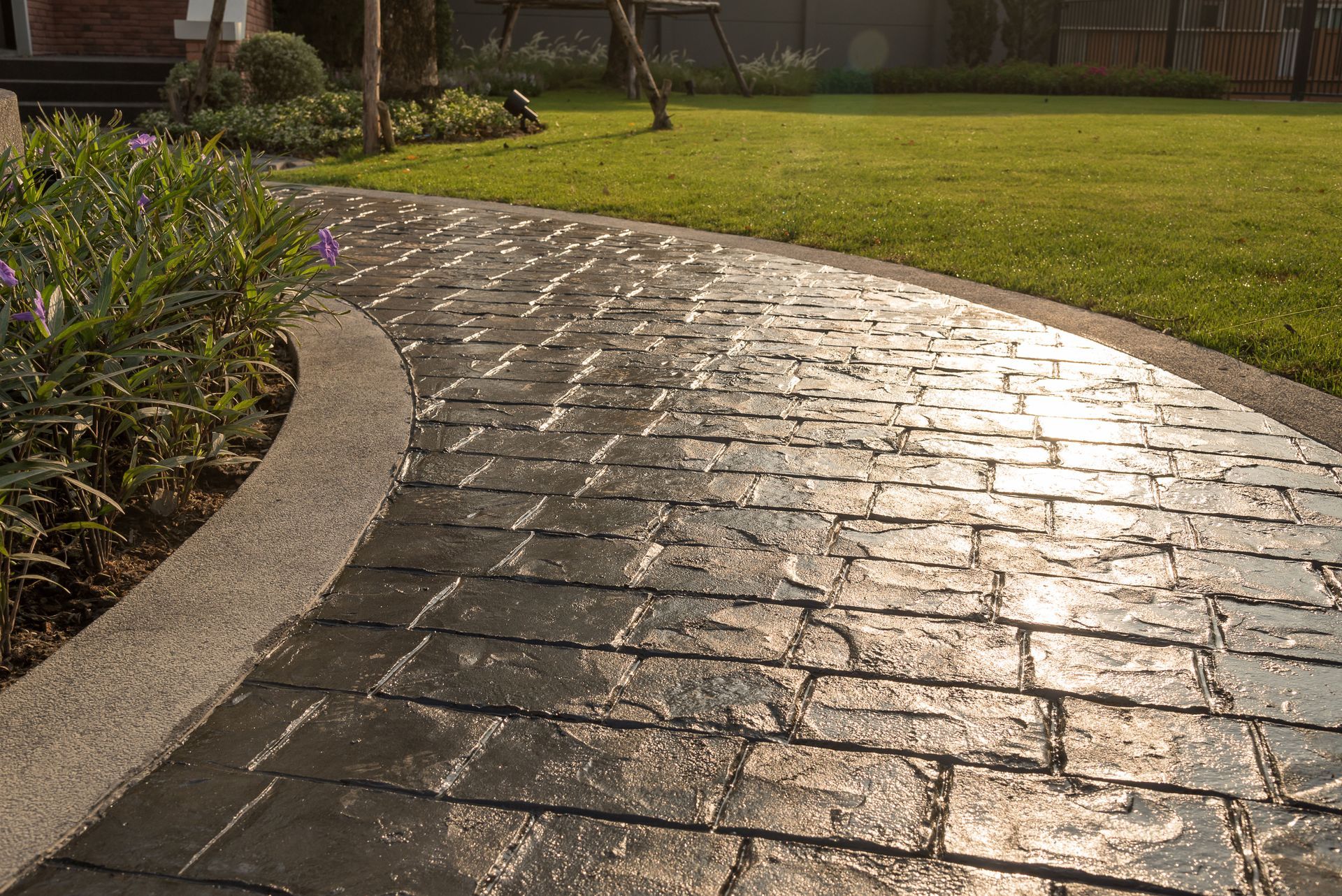
Decorative concrete techniques allow homeowners to customize their driveways’ appearance. Stamped concrete can replicate the look of brick, stone, or tile, while exposed aggregate finishes add texture and visual interest. Color treatments further expand design choices, allowing the driveway to complement the home’s exterior. These options help enhance curb appeal. Personal style can be reflected in the final design.
Concrete can also be shaped and finished to enhance landscaping and architectural features. Curved layouts, decorative borders, and textured surfaces help create a cohesive and polished look. These unique design options allow concrete to fit seamlessly into both traditional and contemporary settings. Integration with surrounding elements improves overall visual harmony.
Skilled concrete contractors play a key role in bringing these designs to life. Their experience ensures that decorative elements are not only visually appealing but also properly installed for long-term performance. Attention to detail helps maintain consistency throughout the project. Quality workmanship protects both function and appearance.
Concrete driveway myths often persist because they are repeated without considering how much the industry has changed. When homeowners understand the realities behind cracking, cost, maintenance, and design, they can evaluate concrete more fairly. Accurate information replaces hesitation and leads to better long-term decisions. Education empowers homeowners to choose based on facts rather than fear. This clarity benefits both short-term satisfaction and long-term results.
A concrete driveway is a practical investment that balances durability, versatility, and value. By debunking these common myths and working with experienced concrete contractors, homeowners can move forward with confidence. The result is a driveway that supports daily use, enhances curb appeal, and stands the test of time.
Ready to upgrade your driveway with confidence? Contact Francisco Concrete & Pumping today to work with reliable concrete contractors who are committed to quality craftsmanship and long-lasting results.